
 Kids Learning
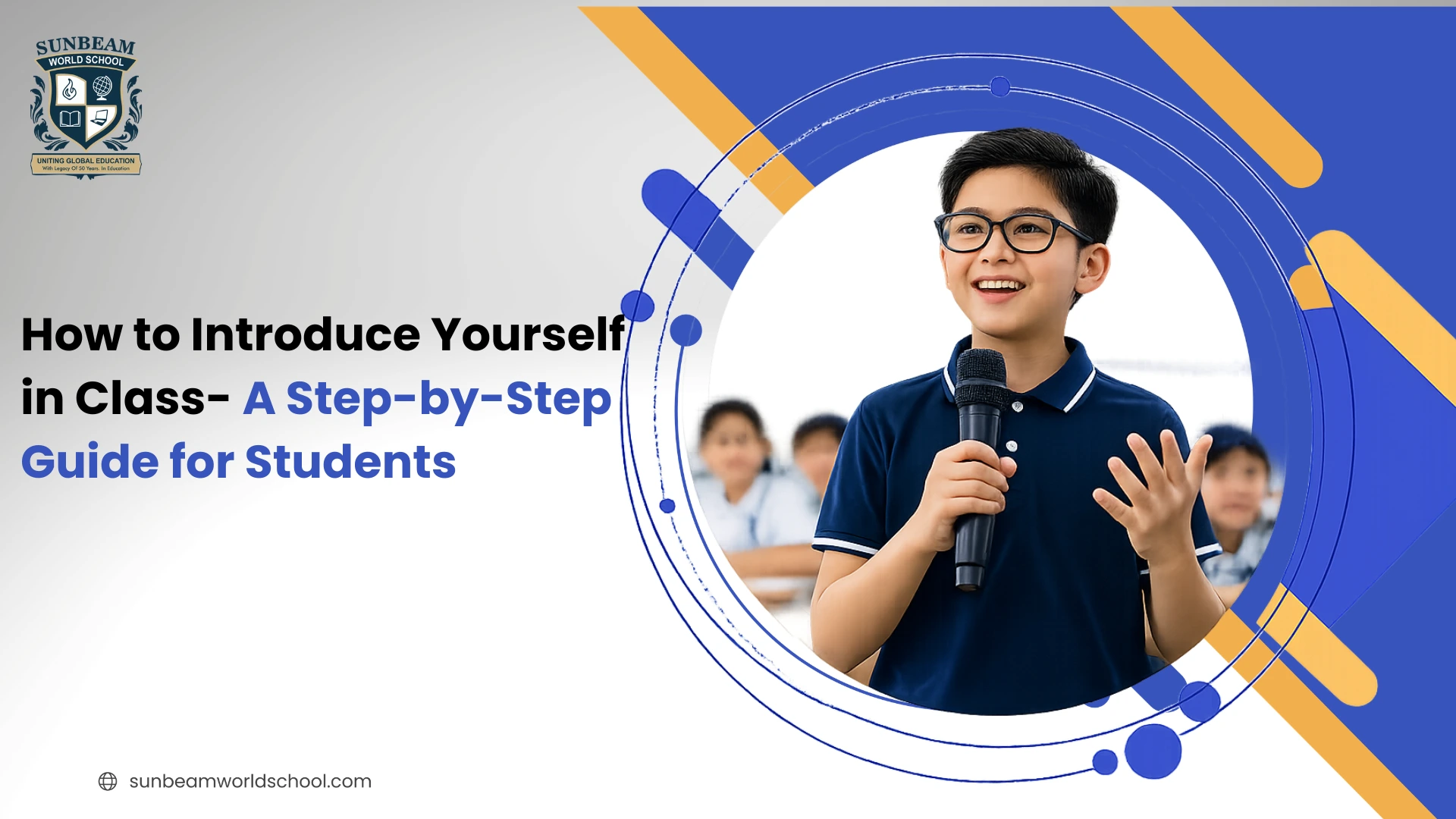
How to Introduce Yourself in Class: A Step-by-Step Guide for Students
| Learning how to introduce yourself in class helps students build confidence, communication skills, and stronger classroom connections. A good self-introduction should include a greeting, your name, background, hobbies, academic interests, and future goals in a simple and natural way. Whether in a school classroom, college orientation, or online homeschooling environment, speaking clearly and confidently creates a positive first impression. Students can make their introduction more memorable by sharing a specific hobby, a fun fact, or a personal aspiration. Practicing beforehand, maintaining eye contact, smiling, and speaking slowly can also help reduce nervousness during class introductions. |
Whether you are joining a new school, stepping into college for the first time, or attending an online class from the comfort of your room, knowing how to introduce yourself in class is one of the most useful skills you can build. It is not about memorizing a script or sounding impressive. It is about showing up as yourself — clearly, warmly, and with confidence.
This guide walks you through everything: why a self-introduction matters, a practical step-by-step structure, ready-to-use sample scripts, tips for nervous students, and the common pitfalls to avoid.
What Is a Self-Introduction in Class?
A self-introduction is simply the act of telling others who you are, your name, where you are from, what you enjoy, and what you hope to achieve. In a classroom setting, it is usually the very first activity on the first day of a new academic year or whenever a new student joins mid-term.
Think of it as your personal opening statement. It does not need to be long or polished. A self-introduction that is honest, warm, and brief will always land better than one that sounds rehearsed or overly formal.
More importantly, a self-introduction is a two-way bridge. When you share a little about yourself, you invite others to connect with you, and that is where friendships, study partnerships, and a sense of belonging begin.
Why a Good Self-Introduction in Class Matters
You may wonder, a self-introduction is just a few sentences, does it really matter? Yes. Here is why:
1. Creates a Lasting First Impression
How you introduce yourself sets the tone for how teachers and classmates perceive you. A warm, confident start makes you easy to remember.
2. Opens the Door to Friendship
Sharing your hobbies or hometown gives classmates an instant hook — something relatable that sparks conversations naturally.
3. Demonstrates Communication Skills
Clarity, eye contact, and tone are all on display in a self-introduction — and these skills follow you into interviews, workplaces, and beyond.
4. Helps Teachers Support You Better
When a teacher knows your background, interests, and goals, they can connect with you more personally and guide you more effectively.
Beyond the classroom, learning to introduce yourself confidently is a lifelong skill; college interviews, job applications, networking events, and social situations all require it. Starting to practice it now gives you a genuine head start.
How to Introduce Yourself in Class: A Step-by-Step Guide
The best self-introductions follow a natural, easy-to-remember structure. Here are seven steps that work for school students, college freshers, and online learners alike.
1. Open with a Warm Greeting
Start with a simple, friendly greeting like "Good morning, everyone!" or "Hi, it's great to meet you all." A smile goes alongside this — it signals openness and makes you instantly more approachable. Do not worry about finding the perfect words; genuine warmth matters far more than clever phrasing.
2. State Your Name Clearly
Speak your name at a pace that everyone can follow, especially if it is uncommon. You can add a brief note if it helps — "My name is Tanishka, but most people call me Tani." This small personal touch immediately makes you human and memorable.
3. Share a Little Background
Mention where you are from, which school or city you studied in previously, or a brief family context if relevant. Keep this to one or two sentences. You are not writing your biography — just giving classmates a sense of your story so far.
4. Talk About Academic Interests
Which subjects excite you the most? Whether it is mathematics, literature, science, or history, sharing your academic passions invites peers with similar interests to connect. It also gives teachers early insight into where you might shine or where you might need extra encouragement.
5. Mention a Hobby or Personal Interest
This is often the part classmates remember most. Whether you play the guitar, love cooking, follow cricket, paint, or collect stamps — share one or two hobbies with genuine enthusiasm. Authentic interest is contagious and makes introductions feel real rather than robotic.
6. Share a Goal or Aspiration
Briefly mention what you hope to achieve — either in this class, this year, or in life broadly. It does not need to be grand. "I want to get better at public speaking" is just as valid as "I hope to become an engineer." Sharing a goal makes you relatable and shows you are thoughtful about your own growth.
7. Close with a Friendly Note
Wrap up warmly. A simple "I'm really excited to be part of this class and looking forward to getting to know all of you — thank you!" leaves people with a positive feeling. End with a smile, and you are done. It is that simple.
| The goal of a self-introduction is not to impress — it is to connect. Keep it real, keep it you." |
Self-Introduction Sample Scripts for Different Situations
Use these as a starting point, then personalize freely. Your introduction should sound like you, not like a template.
For a School Student Joining a New Class
| Good morning, everyone. My name is Arjun Mehta, and I have just moved from Pune to Delhi, so this is my first day here. I studied at Greenfields School before, and my favourite subject has always been science — especially anything to do with space. Outside of school, I love cycling and I have recently started learning to sketch. I am looking forward to getting to know all of you. Thank you! |
For a College Student at Orientation
| Hi everyone! I'm Priya Nair, a first-year student in the BA English programme. I'm originally from Kochi, Kerala, and this is my first time living away from home — equal parts exciting and nerve-wracking, honestly. I love reading contemporary fiction, watching classic films, and I've been writing poetry since I was fifteen. I hope to get better at critical writing this year and maybe even start a literature club if others are interested. Really glad to be here — looking forward to learning alongside you all. |
For an Online Class or Virtual Classroom
| Hello everyone — I hope you can all hear me clearly! My name is Rohan Das. I'm joining from Bhopal, Madhya Pradesh, and I'm currently in Class 11, taking this online course to strengthen my mathematics before my board exams. I enjoy table tennis and absolutely love cooking — I can make about twelve different kinds of dosa. I am glad to be learning with all of you, even if it's through a screen. Let's make the most of this! |
How to Overcome Nervousness Before Your Class Introduction
Feeling nervous before speaking in front of a group is completely normal — even adults experience it. The key is not to eliminate nervousness but to channel it. Here is what actually helps:
Tip 1: Practice aloud at home, run through your introduction in front of a mirror or a family member. Hearing yourself say it out loud makes a real difference on the day.
Tip 2: Take two slow breaths before you begin. A calm breath slows your heart rate and signals to your brain that you are safe. Do it quietly — nobody will notice.
Tip 3: Remember: the class is rooting for you. Your new classmates want the introduction to go well. They are curious, not critical. Nobody is waiting to judge.
Tip 4: Use keywords, not a full script. Trying to remember exact sentences creates extra pressure. Instead, jot down five keywords on a mental sticky note: greeting → name → hometown → hobby → goal.
Tip 5: Find one friendly face. When you start speaking, look for someone who seems warm and make brief eye contact with them first. It feels like a one-on-one conversation instead of a performance.
Tip 6: Go slowly — slower than you think. Nerves make us rush. Deliberately pace yourself. Pausing briefly between points sounds confident, not uncertain.
How to Make Your Class Introduction Genuinely Memorable
Most introductions follow the same format. Here is how to add a little spark to yours, without being try-hard:
Lead with something specific, not generic
Instead of "I like music," say "I am learning to play the sitar and have been practising a film song for three months." Specificity paints a picture and gives classmates something to ask you about later.
Add one unexpected or fun fact
Something surprising — like having visited fifteen states in India, growing tomatoes on your balcony, or being able to solve a Rubik's cube — gives people an instant memory hook. It also lightens the atmosphere and invites a smile.
Connect your interest to the class or subject
If you are joining a history class, mention that you visited a fort last summer and came away completely fascinated. This tells your teacher you are engaged, and it signals to classmates that you take learning personally.
Be honest about what you are still figuring out
Saying "I'm not the most confident public speaker yet, but I'm working on it" is far more relatable than pretending you have it all together. Vulnerability builds trust quickly, especially in a new classroom.
Common Mistakes to Avoid When Introducing Yourself in Class
Even well-prepared students sometimes stumble on these avoidable pitfalls. Watch out for them:
Mistake 1: Speaking Too Fast Due to Nervousness
Rushing through your introduction makes it hard for others to catch your name or key details. Practice at home and deliberately slow your pace; pauses are perfectly fine and actually sound polished.
Mistake 2: Over-sharing Personal or Sensitive Details
A self-introduction is not the place for private family matters, financial background, or anything that may feel overly personal to a group of near-strangers. Keep it positive and public-facing.
Mistake 3: Making It Too Long
A self-introduction in class should ideally be between 30 seconds and 2 minutes. Anything longer loses the audience. Be brief, be bright, be done.
Mistake 4: Avoiding Eye Contact Entirely
Staring at the floor or ceiling signals discomfort and makes it harder for the class to connect with you. Practice gently sweeping your gaze across the room as you speak; it makes you appear far more confident than you may feel.
Mistake 5: Forgetting to Smile
A genuine smile is the single most effective tool in any introduction. It signals friendliness, confidence, and approachability all at once. Even a small, natural smile changes how your words land.
Mistake 6: Using Overly Formal or Complicated Language
You do not need to impress anyone with sophisticated vocabulary. Clear, natural language is far more effective. Speak the way you would to a trusted adult, not the way you would write a formal letter.
How Sunbeam World School Helps Students Build Confidence & Communication Skills
At Sunbeam World School, students are encouraged to express themselves confidently from an early age through a modern and engaging online homeschooling environment. The school believes that communication is not just an academic skill; it is a lifelong ability that helps children develop confidence, leadership qualities, creativity, and meaningful relationships.
As an online school, Sunbeam World School creates interactive virtual classrooms where students actively participate in discussions, presentations, storytelling sessions, debates, collaborative activities, and creative learning experiences. These activities help students become comfortable speaking, sharing ideas, and interacting confidently with both teachers and classmates.
The school also focuses strongly on personality development alongside academics, helping students:
- Improve public speaking and presentation skills
- Build self-confidence and communication abilities
- Develop social interaction skills in virtual learning environments
- Express ideas creatively and respectfully
- Become independent and confident learners through online homeschooling
Teachers at Sunbeam World School understand that every child learns and communicates differently. Some students naturally participate more, while others need encouragement and support to open up. Through personalized attention, interactive sessions, and a positive online learning atmosphere, the school helps every student feel heard, valued, and confident.
Whether students are introducing themselves in class, participating in online competitions, presenting projects, or preparing for future interviews and leadership opportunities, Sunbeam World School equips them with the communication and confidence skills needed to succeed in both academics and life.
Conclusion
Introducing yourself in class may seem like a small moment, but it often becomes the first step toward building confidence, friendships, and meaningful classroom connections. A simple, genuine introduction can help students feel more comfortable, engaged, and ready to participate in a new learning environment.
The key is not to sound perfect; it is to be clear, warm, and authentic. With a little preparation, steady breathing, and confidence in your own story, anyone can deliver a memorable self-introduction.
At Sunbeam World School , students are continuously encouraged to develop strong communication skills, self-confidence, and leadership abilities through interactive learning and personality development activities. By nurturing expression, creativity, and confidence from an early age, the school helps students grow into capable individuals prepared to communicate effectively in classrooms, competitions, interviews, and in life beyond school.

Frequently Asked Questions
How long should a self-introduction in class be?
-Aim for 30 seconds to 2 minutes — long enough to cover your name, background, interests, and a brief goal, but short enough to hold everyone's attention. For most school situations, around 45–60 seconds is the sweet spot.
What should I say if I'm very shy or introverted?
+Is it okay to introduce myself in a different language or dialect?
+What if I forget what I wanted to say halfway through?
+Do I need to prepare a different introduction for online class?
+How do I make my introduction stand out from others?
+
In this article
Share this post:


Press and Blogs
Stay updated with our press releases, educational blogs, and more.

Quick Summary Animal sounds are the noises animals make to communicate, warn of danger and...

Quick Summary The area of rectangle equals its length multiplied by its width (A =...
Quick Summary Sympathy means feeling sorry for someone from your own point of view. Empathy...